LEGv8: Machine Code, Registers & Subroutines
by turhan-ergene
The machine code trips up more students than the assembly itself. Hex/binary conversion, MOVZ vs MOVK, immediate-value limits, and translating real bit patterns to assembly and back — practice built for 1DT301's labs and exam.
You're previewing this room. Log in or create a free account to answer the questions and track your progress.
Study material
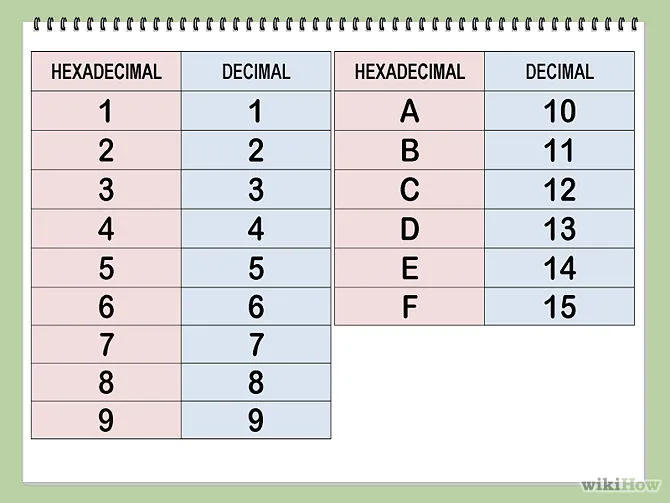
The hexadecimal (or base-16) numbering system uses sixteen unique symbols: digits 0–9 and letters A–F, where A represents 10, B is 11, up to F which is 15.
Why it’s important:
-- Compactness: Binary 11110000 can be written as F0 in hex.
-- Ease of conversion: Each hex digit corresponds to a fixed 4-bit binary group.
-- Applications: Memory addresses, machine code, color codes in web design (#FF0000 for red), and debugging.
Examine the table given above and sort the values in correct order.
match
AA
B10
CB
D11
EC
F12
GD
H13
IE
J14
KF
L15

Ready to test yourself?
Sign up free to answer, score points, and build your streak.