Official curated learning paths
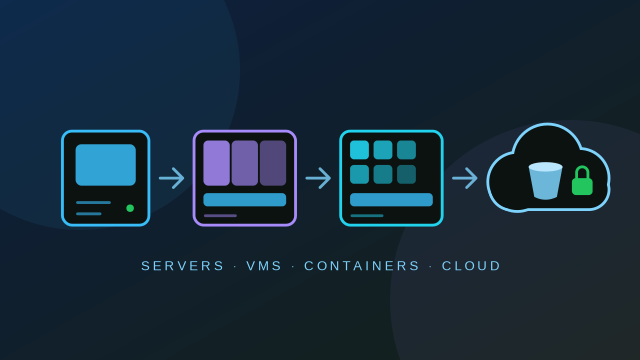
From one physical server to the cloud, one topic per room: hypervisors, how virtualization really works, storage and availability, containers, what makes a cloud, infrastructure as code, cloud storage and cloud security. Each room teaches as it asks, so it works as revision.
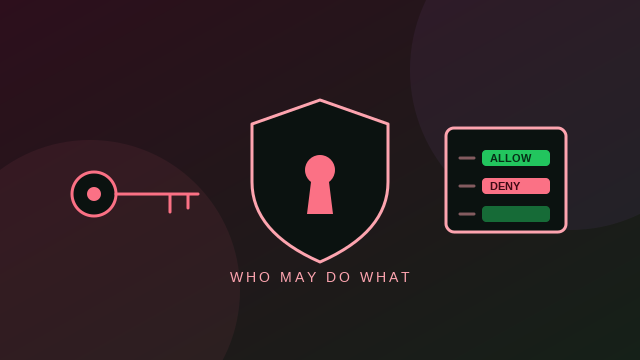
Who is responsible for what as the service model changes, how identity and policies decide every request, how to isolate and layer defences, and a five-step method for judging a design. You will be able to assess a solution against security requirements. About 15 minutes.
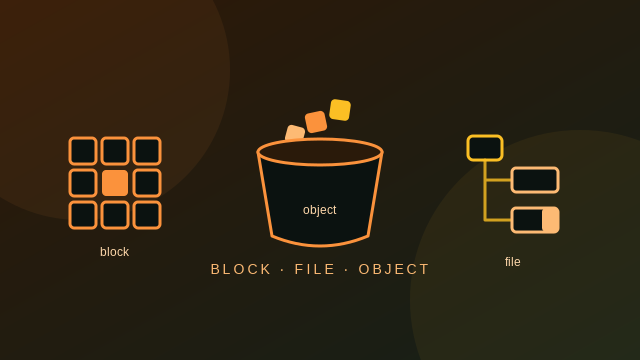
The three kinds of storage and what each lets you ask for, how an object store survives failures, what it costs, and how to secure it. You will be able to choose storage, read durability and cost claims and judge a bucket's protections. About 15 minutes.
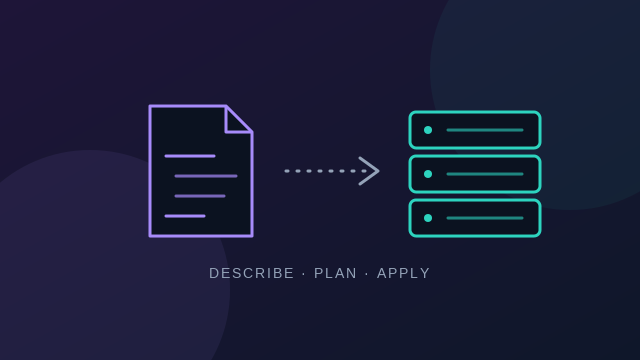
Why clicking a cloud together falls apart, and how provisioning, configuration management, cloud-init, Ansible and Terraform replace it, with state, drift and secrets. You will be able to place each tool, predict a re-run and judge a rebuild. About 15 minutes.
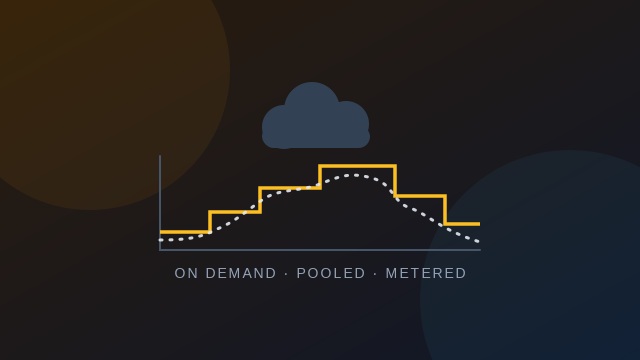
Defines what a cloud is: NIST's five characteristics, the service and deployment models, and the design thinking behind elasticity, regions and zones. You will be able to classify an arrangement, assign responsibility and compare scaling choices. About 15 minutes.
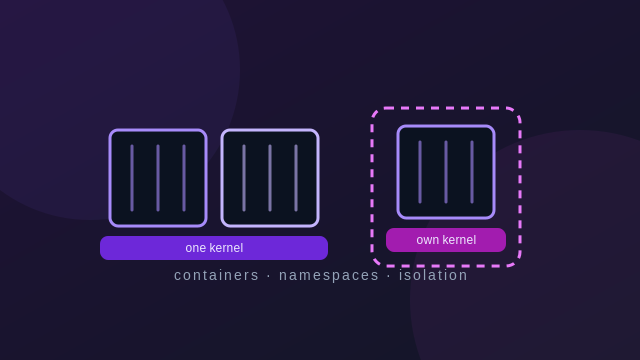
Compares containers with virtual machines (namespaces, control groups, layered images), then tests the claim that guests are isolated: hypervisor escapes, leaking hardware, hygiene failures, container escapes and microVMs. You will be able to judge how strong each boundary is. About 15 minutes.
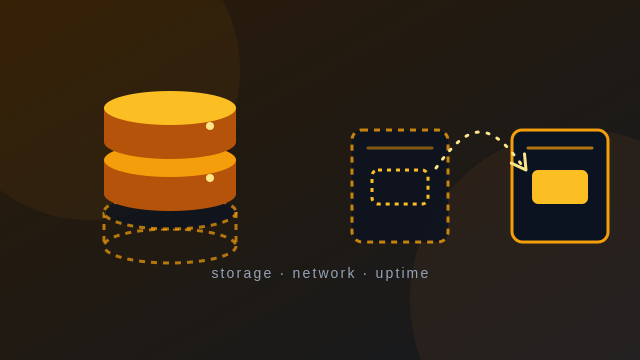
Looks at everything around the CPU: virtual disks and thin provisioning, virtual networks, device handling and the I/O MMU, clones and snapshots, then availability with clusters, fault tolerance and live migration. You will be able to choose a setup for a scenario. About 15 minutes.
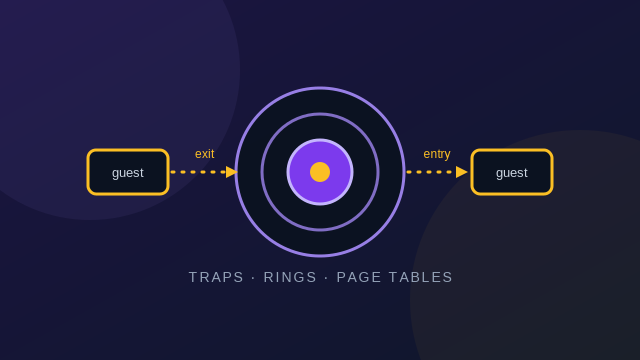
Opens up the hypervisor: why a guest cannot hold full privilege, the four CPU techniques, two-level memory translation, memory reclamation and virtual CPUs. You will be able to compare the techniques and predict their costs. About 14 minutes.
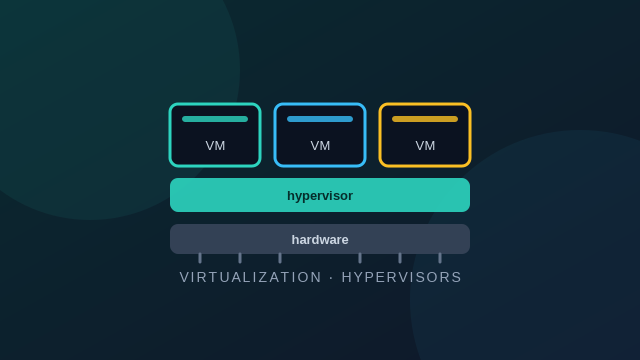
Starts from one application per server and shows why data centres virtualized. Covers what a virtual machine is, the three rules a hypervisor must meet, the costs of sharing hardware, and type 1 versus type 2. You will be able to explain, calculate and compare. About 14 minutes.