Official curated learning paths
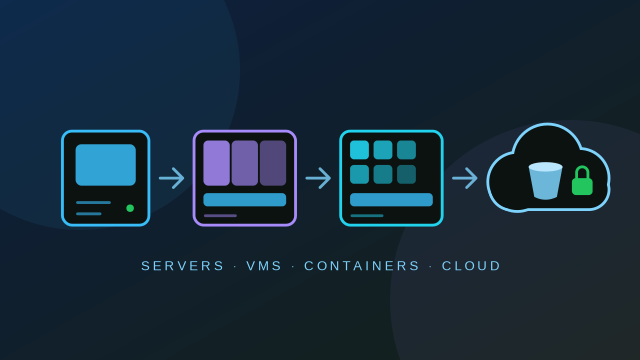
From one physical server to the cloud, one topic per room: hypervisors, how virtualization really works, storage and availability, containers, what makes a cloud, infrastructure as code, cloud storage and cloud security. Each room teaches as it asks, so it works as revision.
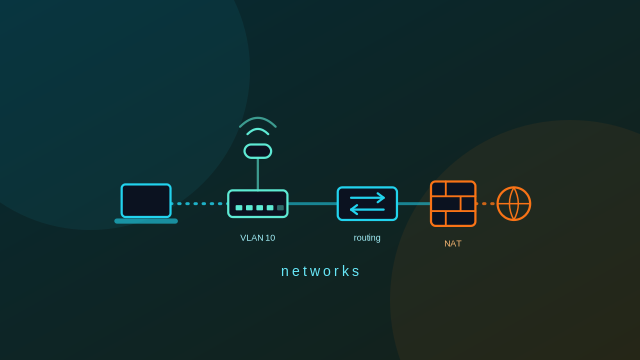
The rooms that go with the network labs: how a packet travels, then building an office network, taking it online through a firewall, and the wireless security around it. Play a warm-up before its lab, and the rest alongside it.
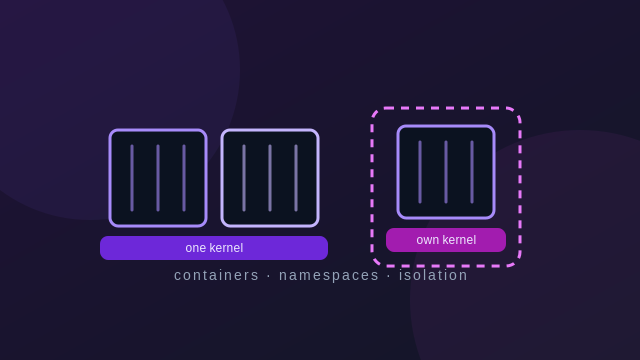
Compares containers with virtual machines (namespaces, control groups, layered images), then tests the claim that guests are isolated: hypervisor escapes, leaking hardware, hygiene failures, container escapes and microVMs. You will be able to judge how strong each boundary is. About 15 minutes.
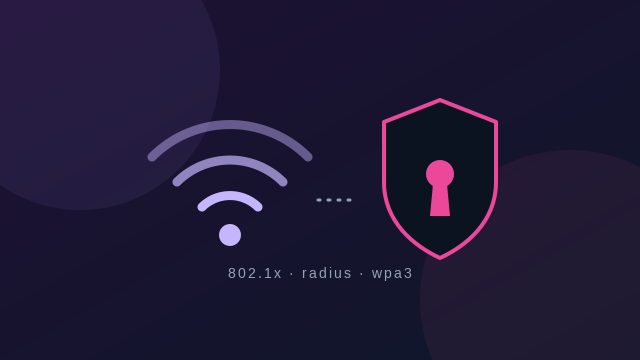
The theory beyond the switches: how users prove who they are on Wi-Fi and VPN (802.1X, RADIUS, WPA3), how wireless networks are attacked and defended, and how phones, drives and logins are protected, from MDM and encrypted drives to passkeys and Pegasus. About 17 minutes.
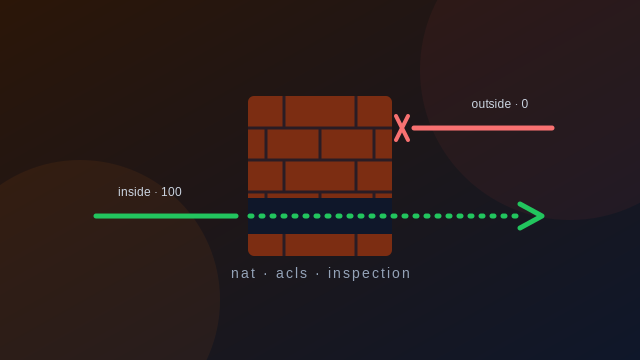
The warm-up for Firewall, NAT and Wi-Fi. Learn how an office reaches the internet safely: routed links and a backup route, the ASA and pfSense firewalls, NAT and publishing one server, Wi-Fi mapped to VLANs, DHCP snooping, synchronised logs and SSH. About 17 minutes.
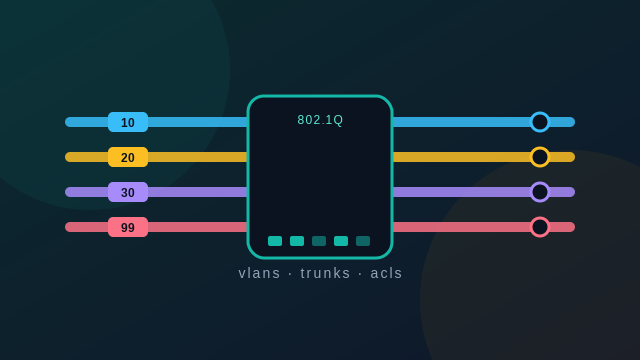
The warm-up for Build an office network. Learn what IOS is and how its modes work, why a company splits its network into VLANs, how trunks, VTP, routing, DHCP and access lists fit together, and how to read an ACL like the switch does. About 16 minutes.

Modern web uygulamalarını tehdit eden gerçek açıklar. Her teknoloji kimliğini nasıl ele verir, açık tam olarak neyi mümkün kılar ve nasıl kapatılır. Express, Next.js, Django ve Apache. Küçük bayraklar saklı.

Web güvenliğine yeni başlayanlar için kısa bir sözlük: CVE ve CVSS nedir, istek–yanıt nasıl çalışır, RCE ile kimlik doğrulama/yetkilendirme ne demek, ve sırada hangi lab ve odalar var. Yaklaşık on dakika.

The ideas the Web security 2 lab assumes: what a signed token is, how a database query is built from parts, why a server fetching a URL for you is different from you fetching it, and the theme under all of it — the server must not trust data just because it handled it. About ten minutes.

The ideas the Web security lab assumes: how a request and response work, what a URL’s parts are, what a cookie is, and the one that makes everything after it possible — the browser fills in the request, so the request is yours to change. About ten minutes.


The ideas the Digital Forensics lab assumes: what a file signature is, what base64 does, how metadata hides in plain sight, and what a log line actually says. Ten minutes.